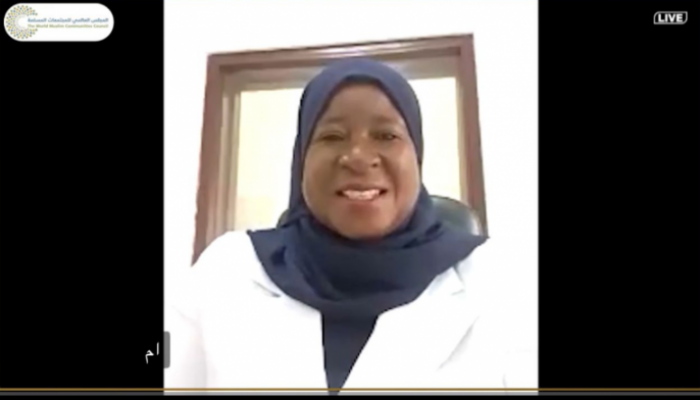
TWMCC organised a virtual Ramadan lecture titled 'Muslim women's in Malawi: Roles, challenges and paths to empowerment'
- 2026-Feb-23
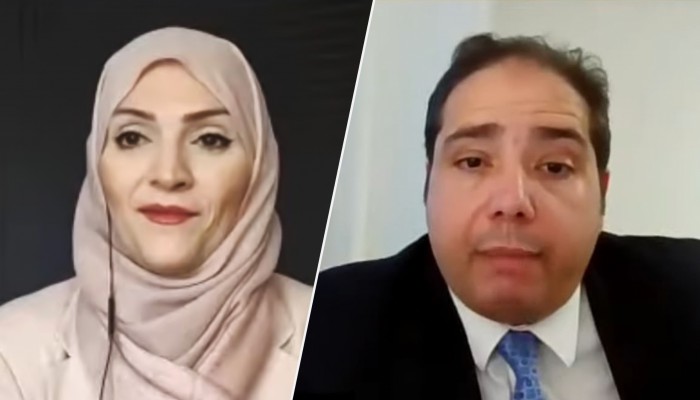
The World Muslim Communities Council (TWMCC) organised a virtual lecture as part of its Ramadan lecture series, titled “Muslim Women in Malawi: Roles, Challenges, and Paths to Empowerment.”
The session featured Siphat Msusa, a journalist at the state broadcaster, Malawi Broadcasting Corporation, who addressed the position of Muslim women within Malawian society and highlighted their diverse contributions and ongoing challenges.
Msusa opened her remarks by emphasising the vital role Muslim women play in Malawi, noting the tangible progress achieved in access to education and employment opportunities. She described them as a cornerstone of society and an essential pillar in community development.
She further discussed the family and educational responsibilities undertaken by Muslim women, underscoring their key role in raising children to become responsible members of both the family and the broader community. She also pointed to their significant participation in the agricultural workforce.
Msusa highlighted the efforts of civil society organisations in Malawi, noting that several institutions have supported women in building their capacities and achieving greater independence through access to education and employment.
She added that women in Malawi contribute actively to da’wah initiatives, as well as to health and social programmes and public awareness campaigns addressing disease prevention.
Despite this progress, Msusa noted that Muslim women in Malawi continue to face societal challenges. Employment opportunities available to them remain limited compared to others, and instances of discrimination persist, although she observed that such challenges have declined in recent years.
She also addressed evolving social attitudes, stating that families increasingly recognise the importance of educating daughters alongside sons and ensuring equality in educational opportunities and rights.
In conclusion, Msusa observed that recent years have witnessed an expansion in girls’ secondary education in Malawi, while stressing the continued need for further development in this area.