TWMCC Hosts “The Pivotal Role of Islamic Knowledge in Fostering the Progress of African Nations” Online Lecture
- 2026-Apr-22
The World Muslim Communities Council (TWMCC) hosted an online lecture titled "The Pivotal Role of Islamic Knowledge in Fostering the Progress of African Nations."
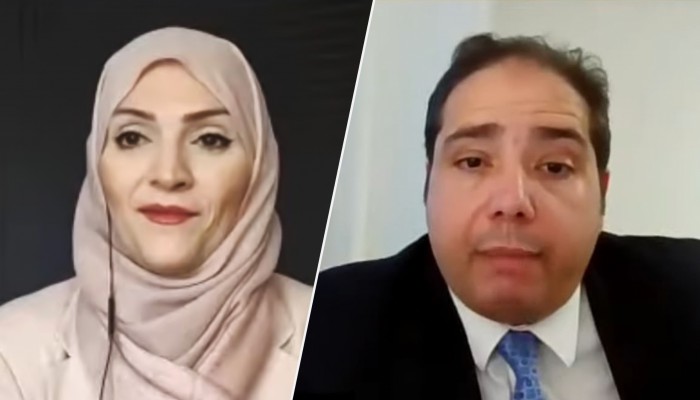
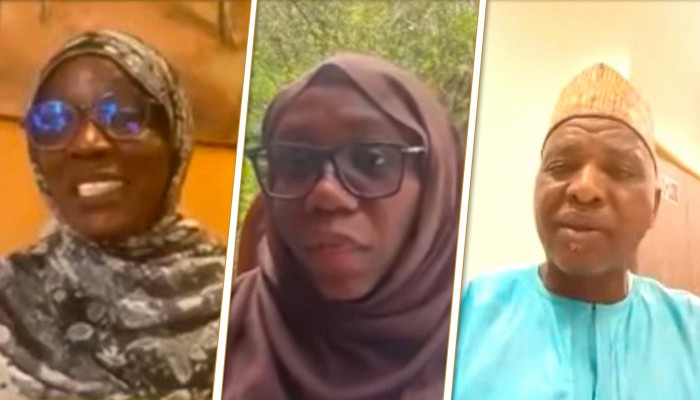
The presenters included Dr. Widade Naibi, Director of the Ibn Battuta African Institute in Benin; Professor Adja Maguette, Professor of Arabic Language and Literature, Cheikh Anta Diop University- Republic of senegal; and Dr. Sheikh Abou Bakr Toure, a distinguished university professor from the Republic of Niger.
According to Dr. Widade Naibi, from the Ibn Battuta African Institute in Benin, peace and security are fundamental prerequisites. Without them, societies cannot sustain life or engage in any intellectual or practical pursuits.
She further elucidated that Islamic knowledge extends beyond mere religious observances, offering a comprehensive and practical framework that embraces peaceful coexistence and community service.
Dr. Naibi underscored the critical importance of studying history and civilisation. This, she argued, is vital for safeguarding young people's identities and for educating them about the influential figures who dedicated themselves to Africa's advancement.
Meanwhile, Professor Adja Maguette of Cheikh Anta Diop University in Senegal observed that African societies fundamentally rely on religious perspectives and a commitment to spiritual values across all their social, political, and economic domains.
She explained that the Arabic language enjoys immense reverence among African populations, not only for its historical significance as a language of civilisation but also for its sacred status as the language of faith and the Quran.
Professor Maguette highlighted that a profound understanding of authentic Islamic knowledge has been instrumental in positioning Senegal as a model for interfaith harmony, successfully avoiding extremism and fanaticism.
Dr. Sheikh Abou Bakr Toure, a university professor in the Republic of Niger, stated that given Islam's deep-seated presence in Africa since the time of the Companions, it is imperative to resolve the theological and sectarian disputes that divide communities and obscure outsiders' understanding of the faith.
He advocated for a shift from unproductive sectarian debates towards prioritising religious literacy in rural areas and harmonising the fragmented educational curricula prevalent in West Africa.
Dr. Toure also stressed the necessity of confronting destructive ideologies, such as Boko Haram, which perpetrates violence and rejects education under the guise of religion. He clarified that Islam inherently promotes human progress and protection.